
Hypermobility Support in Cromwell
Flexible joints can be useful. But if you’re dealing with recurring pain, injuries or joints that feel unreliable, you may need more than another stretching routine.
At The Recovery Project, we help people with hypermobility understand their symptoms and build the strength and confidence to do more of what matters to them. Our approach combines osteopathy, exercise rehabilitation and practical guidance tailored to your starting point.
What is hypermobility?
Hypermobility means a joint moves beyond the range typical for most people. For many, it causes no problems. For others, it can come with pain, repeated sprains, a feeling that joints are unstable, or difficulty recovering from activity.
You might have been told you’re “double-jointed”, or you may already have a diagnosis such as hypermobility spectrum disorder (HSD) or hypermobile Ehlers-Danlos syndrome (hEDS). Either way, we’ll look at how your symptoms affect you, rather than assuming flexibility tells the whole story.
Signs Hypermobility may be affecting you
Being flexible on its own isn’t necessarily a problem. You may want support if you notice:
Joint or muscle pain that keeps returning
Frequent sprains or strains
Joints that feel unstable, give way or sometimes partially slip out of place
Feeling stiff or tight even though you’re very flexible
Difficulty knowing how much activity you can manage without a flare-up
Fatigue after everyday activities or exercise
Avoiding movements because you don’t trust your joints
These signs can have several causes. We’ll look at your symptoms and activity history to work out what support may be useful for you.Sound Familiar?
How we can help
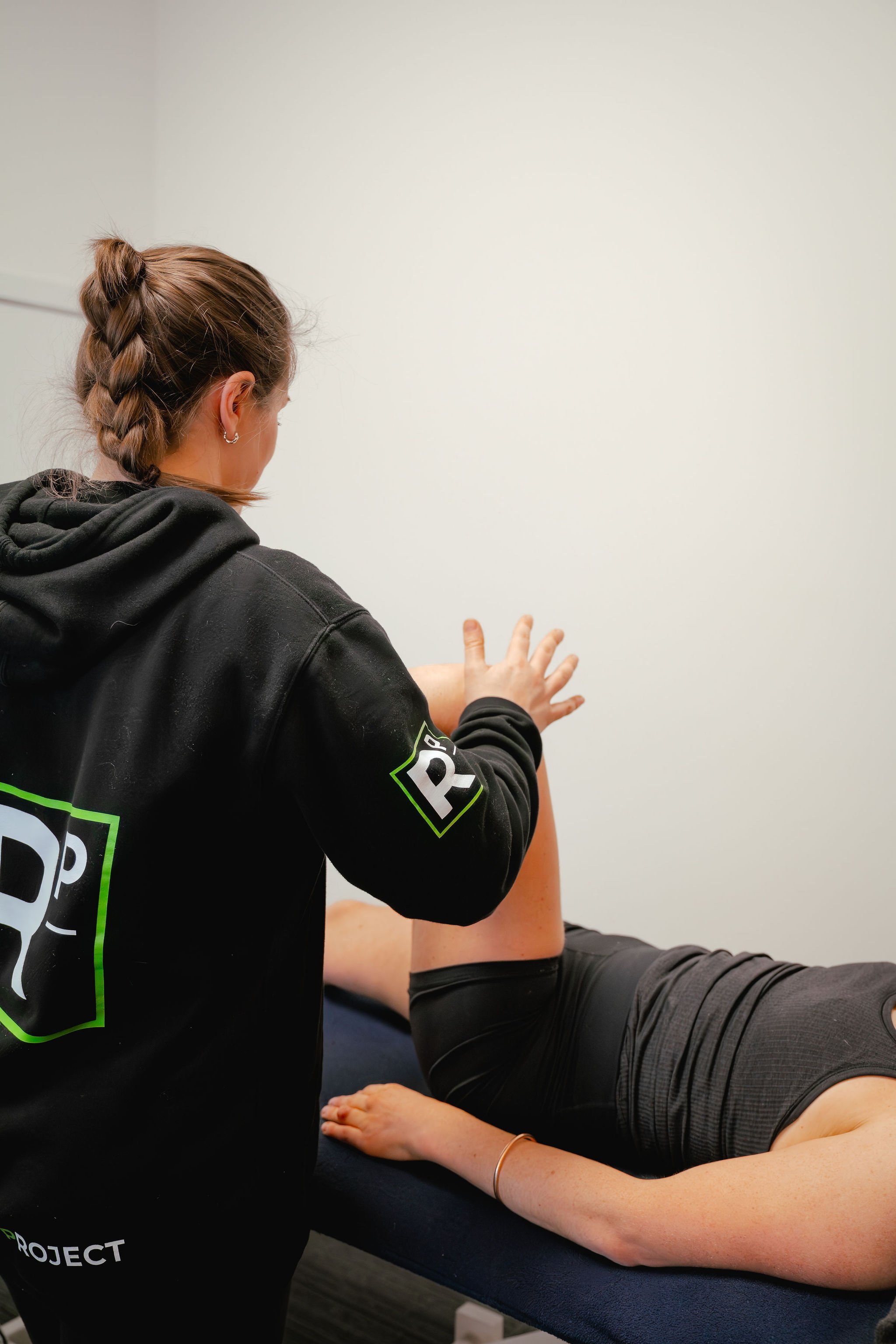
We start by listening. We’ll talk through your symptoms, injury history, current activity and what you want to get back to. We’ll assess how you move and identify areas where strength, coordination or exercise tolerance may need building.
From there, your plan may include:
Exercise rehabilitation: Building strength and control at a pace you can manage.
Progressive strength training: Helping you become more capable in the gym, at work, in sport and in everyday life.
Load management: Finding a useful starting point and adjusting your activity as your capacity grows.
Osteopathy: Hands-on treatment when it helps manage symptoms, alongside a longer-term plan.
Education: Helping you make sense of flare-ups and feel more confident deciding when to continue, modify or rest.
The goal isn’t to make your joints less flexible. It’s to help you feel more capable using the movement you have.
Do I need to avoid exercise if I’m hypermobile?
Usually, no. Strength training and regular activity can be valuable, but the right starting point differs from person to person. Some people need to begin with smaller amounts of movement and build gradually. Others are already active and need help managing recurring symptoms or progressing their training.
We’ll work with your current capacity, monitor how you respond and adjust the plan together. You don’t have to earn the right to exercise by being pain-free first.
What if I think I have hEDS or HSD?
We can assess your movement and help with musculoskeletal symptoms, whether you have a formal diagnosis or not. If your history suggests that further medical assessment would be useful, we’ll discuss that with you and recommend seeing your GP. We won’t diagnose hEDS from a flexibility test alone.
Build strength with a plan that makes sense for you
Whether you want fewer setbacks, more confidence in the gym or a way back to sport, we’ll meet you where you are and help you move forward.